
What If Clothing Was Collected Like Art?
Rethinking fashion through value, technology, narrative, and the rise of wearable investment pieces.

Clothing as art, or "wearable art," merges fashion with artistic expression, resulting in unique, collectible pieces that function as both garment and canvas. These pieces often feature vibrant, artistic designs, high-end materials, and are sometimes produced in limited runs or as one-of-a-kind items.
But if it isn't a well-established luxury brand, is there still a real investment opportunity in lesser-known or emerging fashion brands?
In the art world, value gathers through a set of interlocking conditions, and is often closed off to a select group who are given preferential treatment. The object itself matters, through its material, its construction, and the care embedded in its making. Alongside this, there is the narrative that surrounds it, the clarity of vision, the consistency of expression, and the emotional or cultural resonance it creates over time. There is also the network through which the work moves, the rooms it is seen in, the people who encounter it, and the conversations it generates. Finally, there are systems of verification, from provenance and authorship to institutional recognition and cultural alignment, which together establish trust in the work’s significance.
These elements do not sit separately. They build on one another, accumulating into a form of value that extends beyond the immediate object. Collectability emerges through this accumulation. It reflects a belief in the continuity of the work, in the trajectory of its maker, and in the meaning it will continue to carry as it moves through different contexts and audiences.
Fashion operates within a parallel structure, though it is often framed through cycles of trend and consumption. When approached as wearable art, clothing enters a different rhythm. The garment becomes a site of authorship, where design decisions hold intention and where materials are selected with both sensory and symbolic weight. Craft becomes visible in construction, in the way a piece holds its form, moves with the body, and endures through time. Each element contributes to a larger language that extends beyond the garment itself. Lilly Zar is being developed within this understanding. Each piece is conceived as part of a broader body of work, where garments function as individual artefacts and as chapters within an evolving narrative. The references embedded in the designs draw from heritage, symbolism, and personal transformation, creating layers of meaning that unfold over time. This narrative is not separate from the object; it is carried within it, expressed through form, detail, and presence.
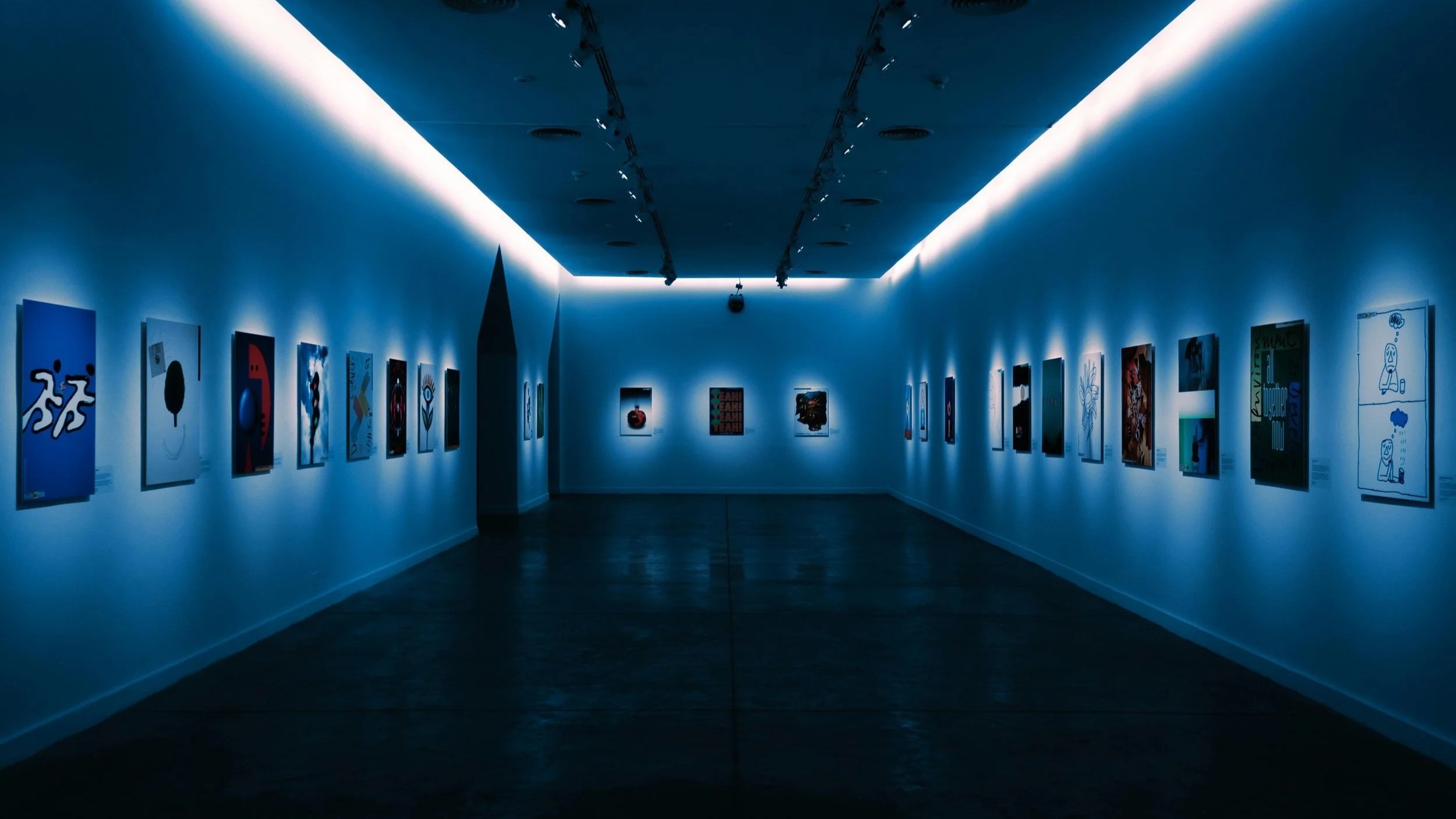
From an investment perspective, this positions each garment within a framework that mirrors the art world. The material value is present in the quality of fabric, the precision of construction, and the durability of the piece. Narrative value emerges through the coherence of the brand’s vision and the depth of its references. Network value develops as the work is placed within cultural, artistic, and technological conversations, connecting it to audiences who recognise and engage with its intent. Verification value is established through authorship, limited production, and the clarity of the brand’s identity, offering assurance of origin and continuity. Over time, these layers accumulate. A garment becomes more than something worn on a single occasion. It carries the memory of its creation, the context of its release, and the evolving meaning it holds for both the wearer and the wider audience. Its presence extends beyond the body, entering collections, archives, and personal histories.
To consider clothing in this way is to recognise its capacity to hold value that deepens rather than the impression of impulsive shallow purchasing. A Lilly Zar piece is designed to exist within this continuum, as something that can be worn, experienced, and retained. It invites a relationship that unfolds over time, where the act of wearing becomes part of the work’s ongoing life, and where ownership becomes a form of participation in a larger artistic narrative. In this context, collectability is shaped through alignment between object, story, and system. The garment holds its place through the strength of its construction, the clarity of its vision, and the network of meaning that surrounds it. It becomes a piece that exists within both fashion and art, carrying forward the idea that what we wear can also be what we keep, what we return to, and what we recognise as part of a broader cultural and creative legacy.
A Lilly Zar piece is limited in collection, but holds its investment potential in the fashion technology circles it moves in.
