
Can Fashion Be Measured Like Culture?
Towards a future where clothing and trend is tracked, interpreted, and understood as part of a wider cultural economy.
Each year, the art world produces a portrait of itself. Not a visual one, but a structured reflection built from data, behaviour, and movement. Publications such as the Art Basel and UBS Art Market Report, led by Dr. Clare McAndrew, do more than summarise activity. They reveal how value circulates. They follow the paths taken by objects, the ecosystems that support them, and the conditions that influence their rise or decline, and doing so, they frame art as something that exists within a living, shifting economy.
Fashion, by contrast, is rarely afforded this kind of lens.
It moves at speed, often documented in fragments and volumes of consumption. A culture of disposability can diminish the perceived worth of a piece that holds far greater value. Collections appear, disperse, and are replaced quickly, and so the emphasis falls on visibility in the present moment, rather than understanding how pieces endure, reappear, and accumulate meaning over time, alongside the financial value and collectability they may come to hold. Yet beneath this pace, there are patterns forming; certain garments remain in rotation, and others find their way into archives, private wardrobes, or digital spaces where they continue to be referenced, reinterpreted, and recontextualised. This raises a different kind of question: What would it mean to follow clothing in the same way we follow art?
A future fashion report would not begin with trend forecasting or sales figures alone. It would look at how garments travel and have the scope to observe where they appear, who engages with them, and how they are absorbed into different cultural settings. It would examine how recognition takes shape, how attention shifts, and how certain pieces maintain their presence beyond initial release, while also creating an organic platform, full of engaged followers, for emerging artists to bring their work into wider view. This kind of tracking introduces a longer view.
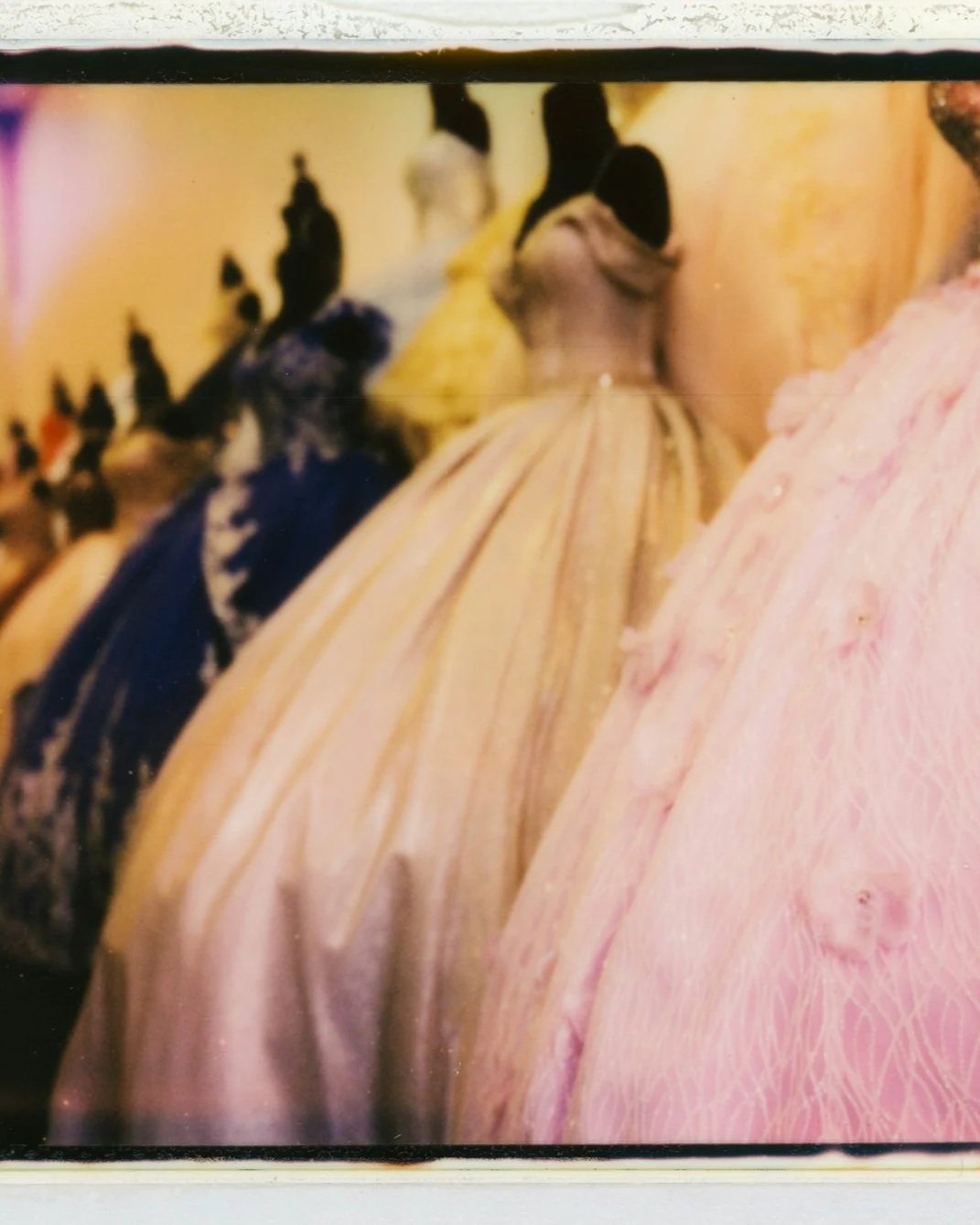
It allows fashion to be read as a sequence rather than a series of isolated moments. A garment could be understood not only by its design, but by its lifespan. How often it re-emerges and the contexts it moves through; it can study audience traction throughout time and show a physical tapestry of what the industry looks like from the inside out, the audiences it reaches at different points in time, and the meaning it accumulates as it passes from one setting to another.Within this framework, Lilly Zar offers a compelling starting point. The brand operates with a sense of continuity that extends beyond individual collections. Its pieces are developed as part of an unfolding body of work, where references are layered and revisited rather than replaced. This creates the conditions for observation. There is something to follow. A Lilly Zar report would build from this foundation.
It could document the movement of each release, tracing how garments are worn, shared, and situated within both physical and digital environments. It could examine how different audiences interpret the work, and how those interpretations shift across time and place. It could identify where the pieces gain traction, where they are preserved, and where they reappear in new contexts. Over time, this would produce a different kind of insight. Not a snapshot, but a record of progression. A way of understanding how clothing lives beyond the point of purchase. Which elements continue to resonate, and which forms hold their relevance. There is also a shift in perspective here. The role of the designer begins to expand, with creation unfolding alongside observation, as the act of making is accompanied by a continuous process of watching, recording, and reflecting, allowing the work to be followed as it moves through the world and opening a dialogue between intention and reception, between what is made and how it is ultimately lived with. Technology makes this increasingly possible.
Digital environments already capture fragments of this movement. Images, mentions, locations, and interactions form a dispersed archive of how garments exist in the world. When brought together, these fragments begin to form a clearer picture. They show how clothing travels across platforms, communities, and geographies, creating a layered map of presence and engagement. For an emerging brand, this offers a distinct position. It creates a way to build understanding alongside creation - to shape not only what is made, but how it is interpreted and remembered.
A report becomes part of this process because it can trace and contribute to a growing understanding of how clothing operates within a wider cultural economy, offering a perspective that feels both moulded in tradition and open to what comes. Lilly Zar, situated between fashion, art, and technology, is well placed to explore this territory.
