
Can Fashion Learn to Live Harmoniously With AI?
Exploring the relationship between authorship, technology, and evolving creative practice.
The conversation around AI in fashion rarely begins with the work itself, instead what draws you to the article or a debate begins with reaction. A campaign is released, the images circulate quickly, and attention moves almost immediately to how it was made.
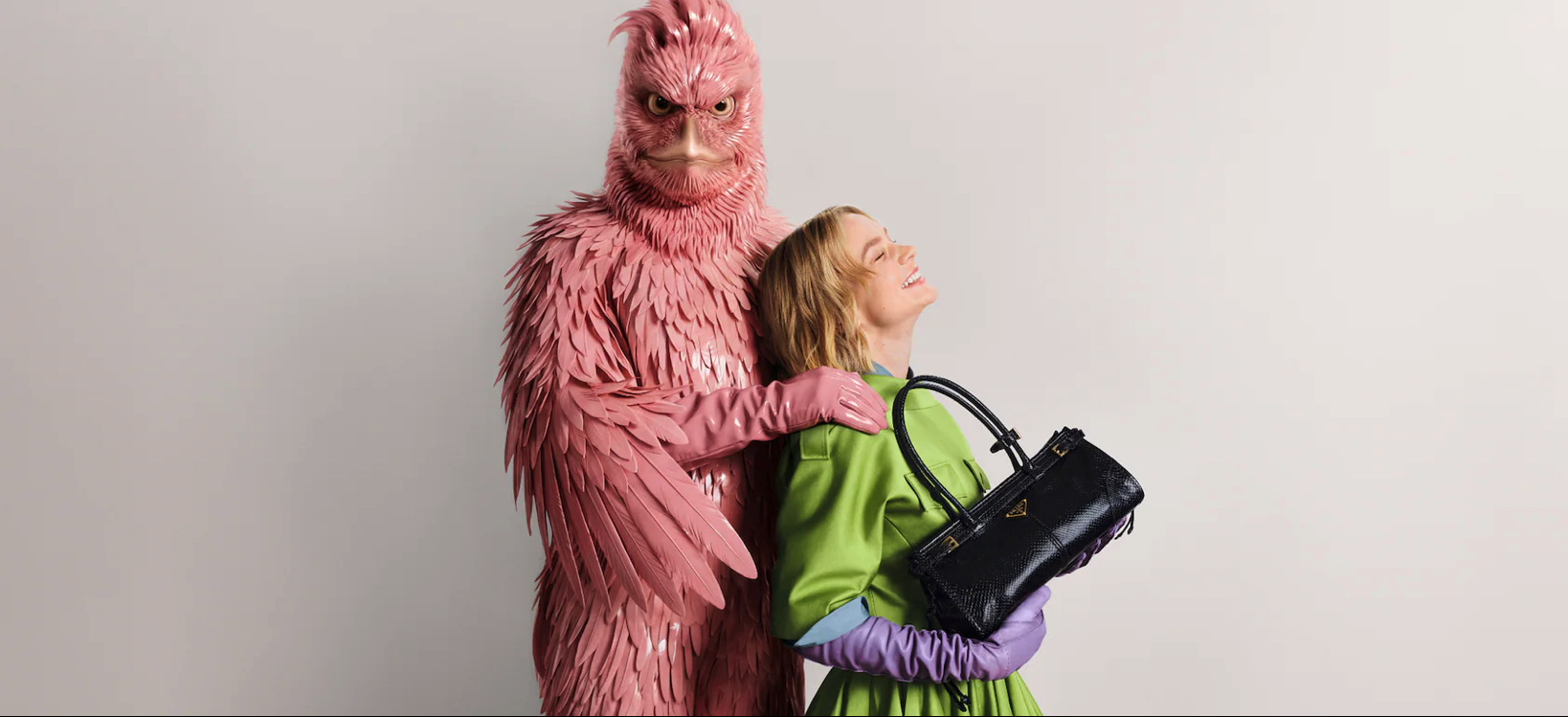
Copyright PRADA 2026 https://www.prada.com/gb/en/pradasphere/campaigns/2026/jordan-wolfson.html
When Prada released its recent campaign with artist Jordan Wolfson, the images gained attention quickly. Actors Nicholas Hoult and Carey Mulligan appeared alongside unfamiliar, digitally constructed forms that felt slightly outside the expectation of fashion imagery. The reaction followed just as quickly, and the focus shifted towards how the images were made, raising questions around process, authorship, and the future dominance of AI. It suggests that AI is no longer being encountered as a distant concept, but as something present within the visual language of fashion itself. It’s just taking some time to get used to.
Its influence is already embedded in image-making: campaigns, lookbooks, and visual worlds shaped through layers of digital production that have been evolving for decades. AI enters this landscape as a continuation, though its visibility has brought a new level of attention to how images are constructed, and by extension, how creativity is understood.
Recent campaigns like the one from Prada, are an example of how AI can work in dialogue with IRL creatives., instead of replacing them. What is reassuring from this perspective, is that AI doesn't exist in isolation. It sits within a wider system of making, one that still relies on photographers, stylists, models, and production teams. The image remains the result of many hands, shaped through direction, interpretation, and craft. Technology becomes part of that ecosystem (a ‘tool’), contributing to the final form without fully defining it.
At the same time, its presence raises questions that extend beyond process. Fashion has long held a close relationship with authorship, with value often tied to the human hand, to vision, to the recognisable imprint of a designer or image-maker. AI introduces a new layer into that relationship, one that challenges the idea of ‘authorship’ when the tools themselves are capable of generating form.
This question is not unfamiliar when viewed through a longer cultural lens. Artistic practices have always evolved alongside the tools available to them. Photography expanded the visual language of painting and digital editing reshaped the possibilities of film and image. How normal it became for film actors to move around the scene with CGI as their scene partner. Each development introduced a period of adjustment, followed by integration into the wider creative vocabulary.
AI appears to be entering fashion through a similar path. For some practitioners, it becomes a way of extending vision, offering new routes through which ideas can be explored and realised. Image-makers such as Nick Knight have spoken about its role within an evolving workflow, where technology supports the development of an idea rather than replacing it. Depending on how you wish to look at it, there is a great opportunity across many industries to open a broader field of possibility which strikes a stronger note with the consumer.
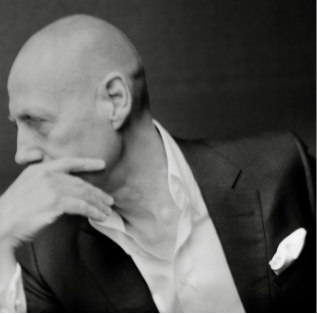
Nick Knight. Photo: Courtesy SHOWstudio
For audiences, the experience is still forming. Luxury fashion has historically been associated with craftsmanship, materiality, and the tangible qualities of making. When AI enters the image, it introduces a different texture, one that is less easily located within those traditional markers. The response is often immediate, shaped by instinct as much as analysis. There is also a wider awareness of the systems that underpin these tools. Questions around data, attribution, and labour sit close to the surface, influencing how AI-generated imagery is received. These considerations form part of the cultural context in which fashion now operates, adding depth to the conversation rather than resolving it.
For a brand such as Lilly Zar, this presents a distinct area of exploration. Positioned between fashion, art, and technology, the work already moves across physical and digital environments. The introduction of AI aligns with this trajectory, offering another dimension through which garments and narratives can be developed and experienced.
In this context, the question turns away from adoption and towards understanding. How does a tool influence the way a garment is seen, remembered, and valued? How does it shape the relationship between the maker, the image, and the audience? These are questions that unfold gradually through practice.
As with any emerging medium, meaning accumulates over time. It is shaped by the work that is created, the responses it generates, and the ways it continues to circulate. AI becomes part of that process, contributing to the continuing evolution of the fashion and technology industry, and how it is understood within a changing cultural landscape.
The relationship is still taking form. It’s just taking some time to get used to.
