
Playing for Keeps: Why the Next Luxury Customer Learns Style in Worlds
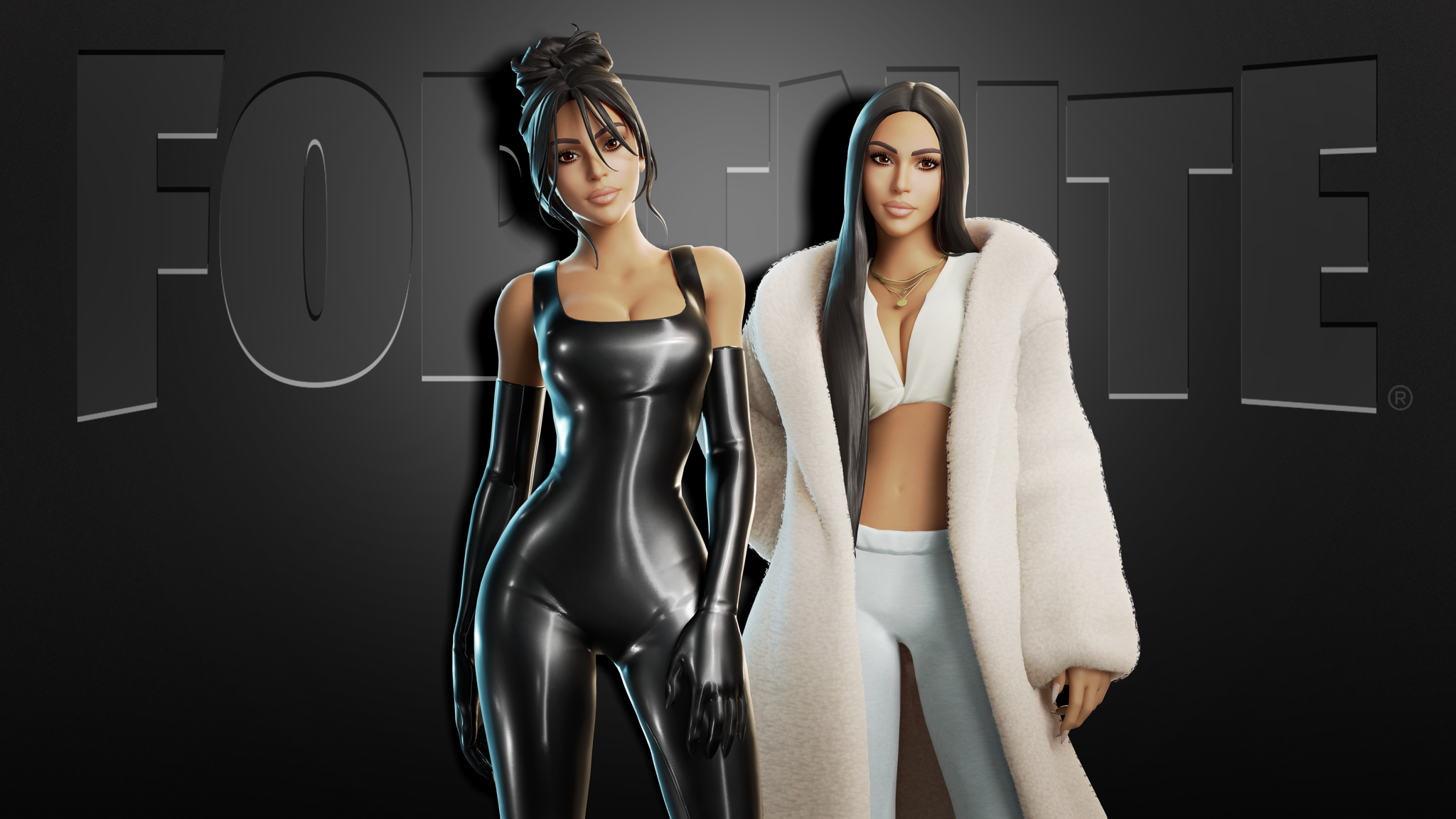
(C) Fortnite, Kim Kardashian 2025
There’s a reason the Kim Kardashian x Fortnite drop feels bigger than a celebrity skin. When millions step into a world and wear a look or mix hair, change the line, trigger a wink of lore with an emote, they’re not passively watching fashion - they’re trying it on, performing it, and teaching themselves what feels true. That shift matters more than a headline. It rewires how taste forms, how status reads, and how brands carry their own myths without breaking them.
1) Identity, rehearsed (then owned)
Digital Worlds are low-risk mirrors. In a playable space you can push past your usual register of latex shine, silver hair, a harsher line through the shoulder, without the social consequence of a ‘real room’. That “safe sandbox” shortens the path from curiosity to conviction. After a few sessions, the look that started as play starts to feel like you. For fashion, that means the top of the funnel is no longer a mood board or a feed; it’s a live environment where people test silhouettes in motion and train their eye in real time. If a house is absent from that environment, it’s absent from the moment confidence forms.
2) Gen Alpha’s default runway
For the next luxury customer, worlds beat feeds. A traditional campaign can still spark desire, but credibility is earned when a silhouette survives proximity, distance, and movement in a space you can walk. The question these audiences quietly ask is simple: does this look hold its shape when I circle it? Does it carry an aura when I see it alongside a hundred other avatars? If the answer is yes in-world, conversion outside the world is easier, because the garment has already passed the test that matters to them: it lives.
3) Presence, not scarcity
Luxury has spent a century perfecting scarcity. Digital fashion forces a second metric: presence. In spatial contexts, status is the way a look reads: how it moves, how it holds light, how often it’s encountered and remembered, not just how rare it is. This doesn’t kill exclusivity; it reframes it. Craft shows up as shader choices that respect fabric logic, motion loops that make a line breathe, and modular systems that let a wearer compose the right version of the idea. The best pieces feel composed rather than collected. They carry authority because they perform.
4) Cultural risk, managed with wit
Kardashian’s emotes and props work because they metabolise her own mythology: diamond, purse, meme, with a wink that belongs to the world she’s entering. That approach matters for every house with a long archive or a loud audience. In playable spaces, reference must become a mechanic: a gesture you can trigger, a motif that animates in motion, a joke you perform together. Done with restraint, this turns brand lore into durable culture rather than brittle nostalgia. It also lowers backlash risk. If you can make the joke first and make it elegantly, you own the narrative that follows.
What “good” looks like in practice
Authority in motion: A jacket that keeps its line through a slow turn; a skirt that answers stride without clipping or collapsing.
Modular honesty: Variations that echo house codes rather than random cosmetics: hair, neckline, palette, trim designed like a capsule, not a costume rack.
Playable lore: One meme made mechanic. A gesture you can trigger that belongs to the brand’s story and still feels chic.
Calm restraint: Light used like embroidery, not a billboard. Feedback you can turn off. Technology that folds into craft rather than shouting over it.
The next competitive questions
Portability: Will looks travel across worlds, and what does styling “licensing” look like when they do?
Passports: How do digital twins and physical pieces share provenance and aftercare in one record?
The closing thought
Digital fashion is not a sideline; it’s where taste is trained in public. Identity is rehearsed there, courage grows there, and brands learn (sometimes painfully) how to carry their own stories with grace. The winners will make presence the point: silhouettes that hold in motion, lore that behaves like choreography, technology that disappears into make. When a look reads across a room you walk and a world you enter, it stops being a stunt. It becomes style.
